Water Damage Restoration Braintree, MA
When a pipe splits in a Braintree cold snap or a nor'easter pushes water into the basement, the restoration team extracts it, dries the structure to the IICRC S500 standard and logs every reading for the claim.
(888) 480-6221Basement taking water? Reach the dry-out crew Extraction underway
What to do in the first hour after water appears
A few safe moves before the crew arrives cut drying time and keep the insurance file clean. Start at the source.
Do now
- 1Stop the source. Close the main shutoff, usually where the water service enters the basement wall, or the valve under the fixture that failed.
- 2Cut power to wet areas. Switch off breakers for the basement, a finished lower level or any room with water near outlets, if the panel sits dry.
- 3Photograph before moving anything. Take wide shots and close-ups of the water marks on walls, floors and belongings for the claim file.
- 4Lift what can be lifted. Carry rugs, boxes stored on the basement floor and electronics to a dry room, and set furniture legs on foil or blocks.
- 5Get extraction moving. Standing water keeps wicking into drywall, carpet pad and framing, so extraction is treated as urgent around the clock.
Hold off
- Walking into a flooded basement with the power still on
- Using a shop vacuum on sewage or river water
- Cranking the heat up to dry things faster
- Pulling up wet carpet before photos are taken
Fourteen water damage services for local homes and buildings
Each service follows the same drying standard; what changes is where the water came from and what it soaked.
 Basement Water DamageBelow-grade water from seepage, a failed pump or a backed-up floor drain, pumped out and dried to readings.See the service
 Frozen Pipe CleanupPipes that split in a cold snap along rim joists, outside walls and unheated garages, dried once found.See the service
 Water ExtractionTruck-mounted and portable units pull standing water out of carpet, pad and hardwood before it wicks into walls.See the service
 Flood Water CleanupRising water from the Monatiquot, a pond edge or a flooded street, treated as Category 3 from the start.See the service
 Burst Pipe CleanupPressure failures at aging copper, galvanized pipe or fitting joints, with wall cavities opened and dried.See the service
 Storm Water DamageNor'easter rain and wind-driven water through siding, windows, doors and window wells, dried before it spreads.See the service
 Sump Pump Failure CleanupA pump that quits in a downpour or a power outage, with the pit area, slab and walls dried.See the service
 Sewage Backup CleanupMunicipal sewer and floor drain backups contained, removed and cleaned as Category 3 with antimicrobial treatment.See the service
 Roof Leak Water DamageIce dams, flashing failures and storm leaks through the attic, dried before plaster or drywall gives way.See the service
 Ceiling Leak Water DamageA tub, toilet or supply pipe upstairs lets go, and the ceiling below is opened and dried.See the service
 Water Heater Leak CleanupBasement and utility-room tanks that fail at the base, with the floor, walls and stored items handled.See the service
 Appliance Leak CleanupWasher hoses, dishwasher supply hoses and ice-maker tubing that soak floors, cabinets and the ceiling below.See the service
 Structural DryingAir movers, LGR dehumidifiers and daily meter readings until framing and floors meet the drying goal.See the service
 Commercial Water DamageShops, offices, restaurants and rental buildings dried in phases so the business can keep running.See the service
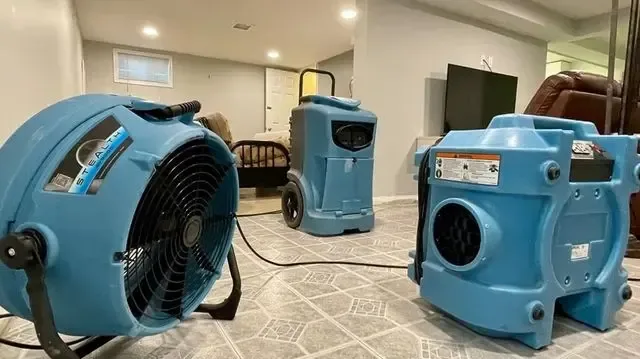
How the restoration team works a water loss in Braintree
Urgent dispatch, day or night
The response team rolls out around the clock, storm nights and holidays included, and treats active water as urgent from the first conversation.
Drying measured, not guessed
The drying team works to the IICRC S500 and removes equipment only when meter readings, not a dry-looking surface, say the job is done.
A claim file built daily
Moisture maps, psychrometric logs and timestamped photos go into one drying record that an adjuster, a landlord or an owner can follow.
Built for New England basements
Fieldstone and poured foundations, cast iron drains, finished lower levels and old plaster are routine work, so the crew checks below grade first.
Four steps from standing water to dry
The IICRC S500 sets the order of the work, and every step is measured and written into the drying log.
- 1
Inspect and map
Thermal imaging and pin and pinless meters trace where the water traveled, and the category and class of loss are recorded.
- 2
Extract
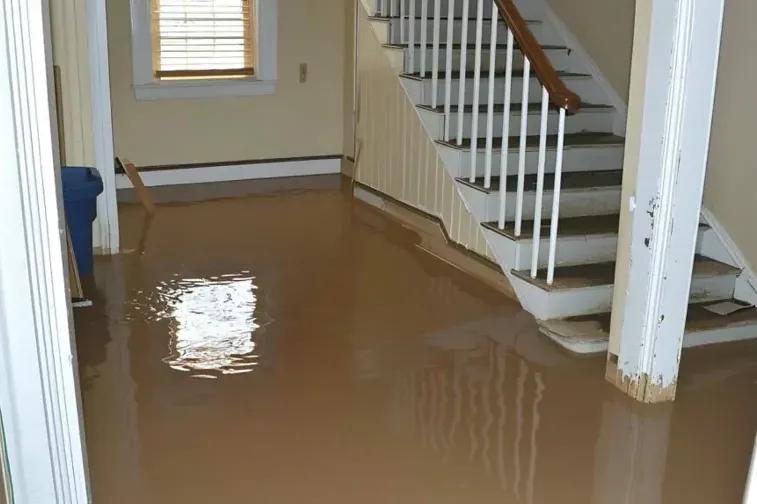
Truck-mounted and portable extraction pulls standing water from floors, carpet and the basement slab before it soaks in further.
- 3
Remove and contain
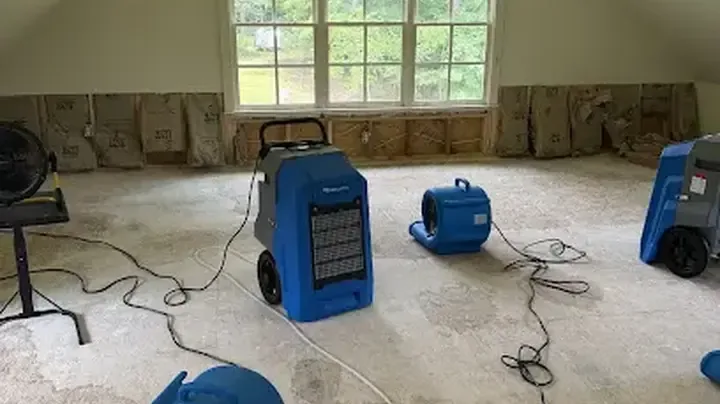
Wet pad, soaked drywall below the water mark and ruined insulation come out, with containment set when the water is contaminated.
- 4
Dry and verify
Air movers and LGR dehumidifiers run until readings sit within 2 to 4 points of a dry reference, checked every day.
Equipment that does the drying work on site
- Truck-mounted extractionStrong suction for carpet, pad and basement slabs.
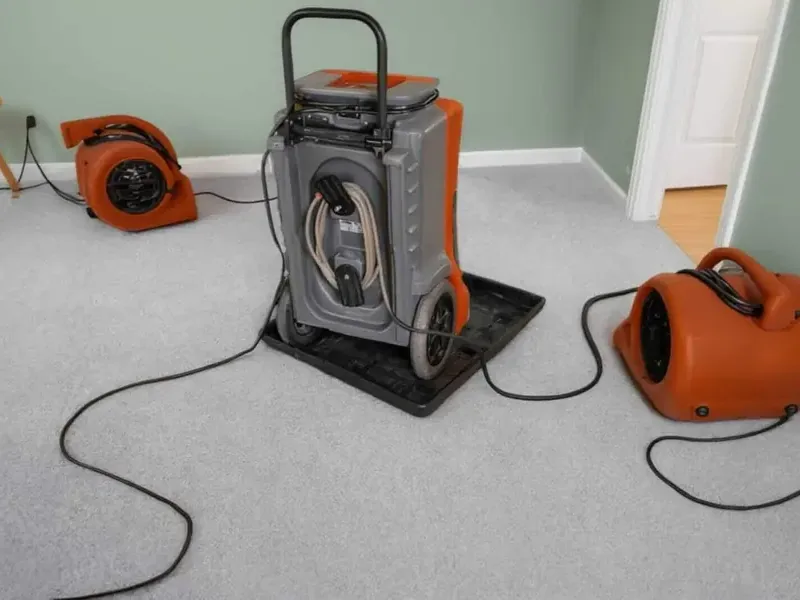
- Air moversPush dry air across wet surfaces and into cavities.
- LGR dehumidifiersPull water vapor out of cool, damp basement air.
- Thermal imaging camerasFind wet framing behind walls and ceilings.
- HEPA air scrubbersFilter the air during Category 3 cleanup.
Why the source of the water changes the work
The IICRC S500 sorts every loss into three categories.
A supply pipe, a water heater or a fill hose. Clean at the start, it can degrade within a day or two on a basement floor.
Washer and dishwasher drains, a toilet overflow with no waste, or seepage through a foundation. Handled with cleaning and antimicrobial steps.
Sewage, a municipal sewer backup, or river and street flood water. Porous materials it touched come out, with containment and PPE.
Sewage backup cleanupWhat does water damage restoration cost in Braintree, MA?
Most residential water damage mitigation here runs $1,300 to $7,500. A quick supply leak on a hard floor sits at the low end; a finished basement soaked by a sump failure or a sewer backup sits at the high end, and Category 3 losses can go well past it.
- Small, caught early$1,300 to $3,200
- One room or a hallway
- Extraction and two to three days of drying
- Category 1 water
- Finished basement or two rooms$3,200 to $7,500
- Carpet pad and lower drywall removed
- LGR dehumidifiers and air movers for days
- Category 1 or 2 water
- Sewage or flood water$7,500 to $22,000+
- Containment and PPE
- Porous materials removed
- EPA-registered antimicrobial and longer drying
Price follows the water category, the square footage, the material class and how fast drying started.
These are typical ranges, not a quote. The water damage cost calculator gives a planning number.
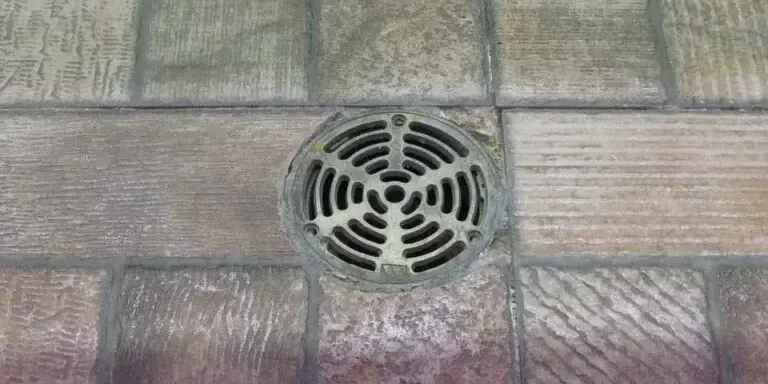
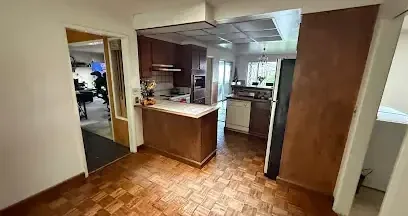
Extraction, demolition and drying photos from the water damage trade

Braintree neighborhoods, ZIP codes and nearby South Shore towns
The restoration crew covers ZIP codes 02184 and 02185, from the South Shore Plaza area and Great Pond to Weymouth Landing, the Monatiquot River corridor and the streets around Sunset Lake. The tech on the walkthrough checks which rooms are wet and whether water reached the basement or the floor system.
ZIP codes
Neighborhoods and areas
Nearby towns covered
Find us on GoogleWhy Braintree basements take on water in storms and thaws
The Farm and Cochato rivers meet to form the Monatiquot, which meanders northeast to the tidal Weymouth Fore River. Nor'easters stall over the South Shore with heavy rain and snow, and a town settled in 1635 that grew fast in the 1920s mixes older and newer homes.
- Snow load and ice dams About 61 inches of snow falls in a typical season, far more in a winter like 2014 to 2015, and ice dams push meltwater under shingles.
- Nor'easter downpours Two to four inches of rain in one storm overwhelms window wells, foundation cracks and sump pits.
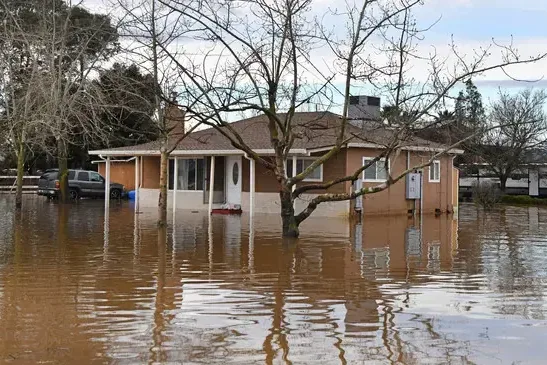
- River and pond edges Low ground along the Monatiquot, the Cochato and Sunset Lake floods first when the water rises.
- Older pipe and drains Cast iron drains and aging copper or galvanized supply pipe in older homes fail at joints and under pressure.
- Cold snaps Pipe along rim joists, in outside walls and in unheated garages splits in a hard freeze, then leaks at the thaw.
How fast does the restoration team respond in Braintree?
Dispatch runs around the clock, and active water is treated as urgent. Arrival depends on traffic, weather and how many storm losses are open, so the household is walked through safe first steps while the crew is on the way.
Why does my basement flood in a nor'easter?
Heavy rain saturates the soil around the foundation, and water finds cracks, the floor-wall joint and window wells. If the sump pump cannot keep up or the power fails, the slab takes on water fast. See basement water damage.
Does homeowners insurance cover water damage?
Sudden and accidental water, like a burst pipe or an appliance failure, is commonly covered. Flood water from outside usually needs separate flood coverage, and slow seepage may be treated differently. Check your own policy; the drying record supports whatever claim you file.
How long does drying take?
Most Class 1 and 2 losses dry in three to five days. Basements, plaster walls and hardwood often take longer. Equipment stays until readings sit within 2 to 4 points of a dry reference, so the meter sets the finish.
What is the IICRC S500?
It is the industry standard for professional water damage restoration. It defines water categories, classes of loss, safe work practices and what dry means, so the job can be checked against a written benchmark.
When does wet drywall have to come out?
Drywall that wicked clean water can often be dried in place if extraction started quickly. Drywall touched by sewage or flood water, or soaked for days, is cut out above the wet mark.
Why is a sewage backup handled differently?
Sewage is Category 3 from the start. The crew wears PPE, sets containment, removes porous materials it touched and applies an EPA-registered antimicrobial at the label dwell time before drying. See sewage backup cleanup.
How is the cost figured?
The scope is built from the water category, the wet square footage, the material class and how long the water sat. Removal, equipment days and monitoring visits each appear as items in that scope.
What should I do right now while water is still coming in?
Shut off the main valve, cut power to wet areas if the panel is dry, photograph everything and move valuables up. Then get extraction started, because standing water keeps adding drying days.
Water in the basement or through the ceiling? Call now.
The restoration team extracts the water, dries the structure to a verified reading and documents each step.
(888) 480-6221Start the dry-out tonight, any hour